

Article
A Leadership Conversation with Cleola Anderiesz
(By Alma Raheem)
When I asked Cleola Anderiesz what people often underestimate about being a CEO, she described it as "the weight of knowing."
The responsibility of carrying information that can't always be shared. Understanding challenges, risks and difficult decisions before they become visible to others. Continuing to lead with confidence and clarity while holding realities that your team, stakeholders or community may not yet be aware of.
It was a perspective I hadn't heard articulated quite like that before.
As CEO of the National Breast Cancer Foundation (NBCF), Cleola brings more than two decades of leadership experience across research, government and the not-for-profit sector. Throughout our conversation, we explored executive readiness, leadership capability, AI and the challenges facing the sector.
Our conversation covered everything from strategic thinking and organisational performance through to technology and leadership development, but a common thread ran through much of what Cleola shared: the responsibility leaders carry when navigating complexity while remaining anchored to purpose.
As I continue this series, I'm including a few self-reflection prompts throughout each conversation. The intention is not only to share the perspectives of experienced leaders, but also to create space for readers to think about how these ideas might relate to their own leadership and career journey.

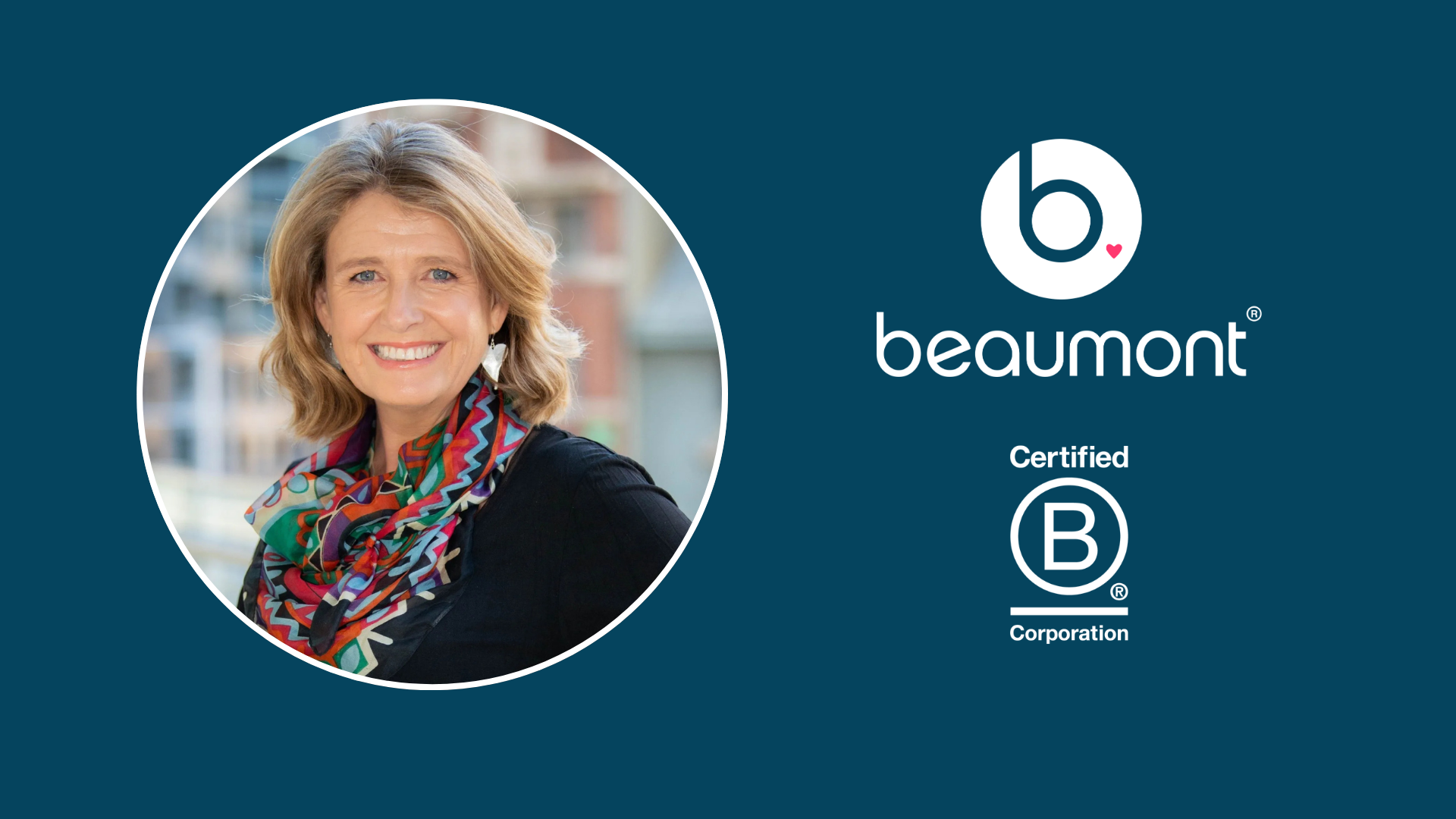
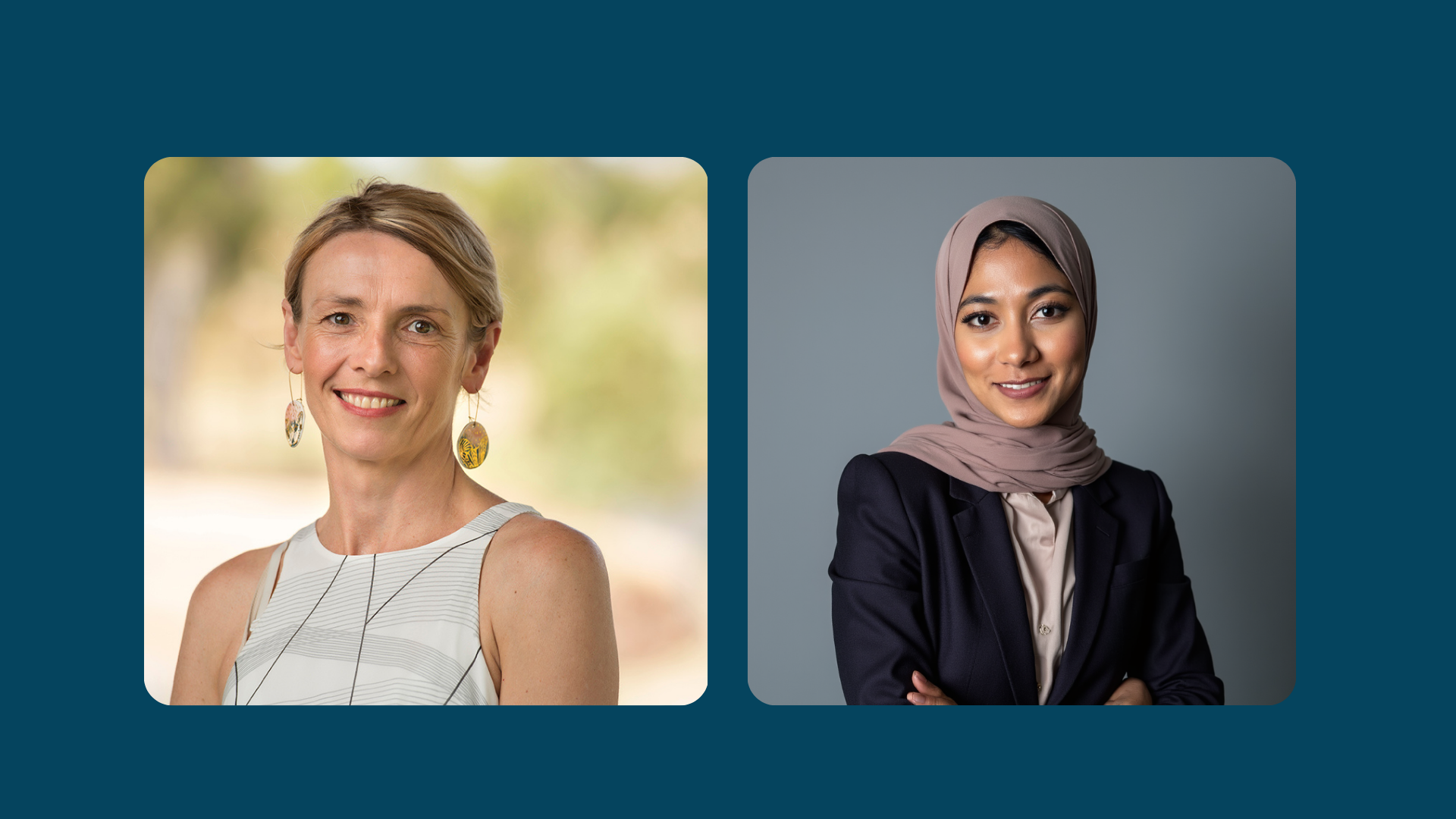
Alma Raheem with Cleola Anderiesz
The Weight of Knowing
When Cleola spoke about leadership, she described the CEO role as being the only position in an organisation with visibility across everything.
Teams understand their own functions. Boards provide governance and oversight. Subject matter experts bring deep expertise in their areas. But there is only one person who sees all the moving parts and understands how they connect.
That reality creates a responsibility that many people don't see.
There are moments when CEOs are aware of emerging risks, difficult realities or significant decisions long before they become visible to the wider organisation. They understand the potential implications for staff, stakeholders and the communities they serve, yet they can't always bring people into those conversations straight away.
Cleola's perspective was that the challenge isn't necessarily making the decision itself.
It's carrying that responsibility while continuing to provide confidence, optimism and direction for others.
An insight Cleola shared that I found particularly thought-provoking was:
"A CEO is the only single person in an organisation who knows absolutely everything."
Throughout this discussion, Cleola continually came back to purpose. For her, leadership starts with understanding why the organisation exists and ensuring decisions remain anchored to that purpose, particularly during periods of uncertainty.
She also spoke about resilience, not as the ability to simply push through challenges, but as the ability to hold complexity without losing sight of what matters most.
Questions to consider
- What helps you stay anchored during uncertainty?
- How closely connected are your decisions to your organisation's purpose?
- How do you balance short-term pressures with long-term stewardship?
Leadership Readiness Isn't About Job Titles
One of the most interesting parts of our conversation was around executive readiness.
As someone who regularly speaks with aspiring executives, I'm always curious about what CEOs look for when hiring senior leaders.
According to Cleola, technical expertise is important, but it only gets you so far.
Technical expertise may get someone into executive conversations. Leadership readiness is what gets them the role.
For her, the difference comes down to judgement, accountability and the ability to think beyond your own function.
The leaders who stand out are those who consistently make decisions with the whole organisation in mind rather than simply advocating for their own area. They're balancing short-term demands with long-term sustainability and looking at outcomes through an enterprise-wide lens.
Self-awareness also featured strongly throughout this discussion.
The most effective leaders understand both their strengths and their blind spots. They actively seek different perspectives, welcome challenge and remain comfortable operating in ambiguity.
One part of the conversation challenged something I hear frequently from candidates.
I asked what advice she would give someone who feels they haven't had the opportunity to develop strategic thinking because of the organisation they're in or the role they hold.
Cleola challenged that thinking quite directly. Titles may shape responsibilities, but they don't determine how broadly you think.
Whether through formal learning, cross-functional projects, mentoring, committees or simply raising your hand for opportunities outside your immediate remit, Cleola believes people have much more control over their development than they often realise.
At one point she shared a phrase that perfectly captured how she thinks about leadership:
"Leaders live in the future."
By that, she wasn't suggesting leaders ignore what's happening today. Rather, she was speaking about the importance of looking ahead, anticipating what might be coming next, and thinking beyond the immediate priorities in front of you.
Questions to consider
- Are you thinking beyond your own function or area of expertise?
- What opportunities are you creating for your own development?
- Where might you be waiting for permission instead of taking initiative?
Embracing AI Without Losing Human Connection
When I asked Cleola what leadership challenge future CEOs should be paying attention to, she admitted there were plenty to choose from.
The one she eventually settled on was AI.
More specifically, how organisations embrace AI and digital transformation without losing the human connection at the heart of the not-for-profit sector.
Interestingly, Cleola doesn't see the biggest challenge as the technology itself.
The challenge is navigating the intersection of innovation, trust, ethics and workforce readiness.
AI has enormous potential to improve productivity, reduce administrative burden and help organisations achieve greater impact with finite resources. For a sector constantly being asked to do more, those opportunities are significant.
At the same time, Cleola believes leaders need to think carefully about where technology interfaces with people.
Whether it's donors, service users, communities or staff, empathy, relationships and human judgement remain central to the work we do.
At NBCF, this has meant taking a structured and measured approach to AI adoption, testing different use cases across teams and understanding where it can add value before implementing solutions more broadly.
The more we discussed it, the more it became clear that this wasn't really a conversation about technology. It was a conversation about leadership, and about understanding where technology can enhance human capability while ensuring organisations remain deeply connected to their purpose.
Questions to consider
- How is your organisation approaching AI adoption?
- Where can technology strengthen outcomes without replacing human connection?
- How are you preparing your people for the changes ahead?
Final Reflections
Reflecting on our conversation, I was struck by the balance Cleola brings to leadership.
We spoke about strategy, performance, organisational growth and technology, yet the discussion continually returned to purpose, stewardship and people.
It reinforced something I see often in my work: leadership becomes less about having all the answers and more about helping people navigate complexity while remaining anchored to what matters most.
And perhaps that's why "the weight of knowing" was the phrase that stayed with me long after the conversation had finished.
It's not a phrase I'd heard before, but it captures something many CEOs experience every day and rarely talk about: the responsibility of carrying information, context and decisions that others may not yet see, while continuing to provide confidence and direction for the organisation.
My sincere thanks to Cleola for her openness and generosity in sharing her experience.
Alma Raheem, Associate Partner, Executive Search
share this
Related Articles