

Article
A Leadership Conversation with Susanne Legena
(By Alma Raheem)
One of the things I value most about working in executive search is the chance to spend time with leaders outside of a live recruitment process.
More often than not, we meet CEOs at very specific moments, whether that’s appointing a new executive, navigating a period of change, or thinking about succession. Those conversations are important, but they’re usually quite focused on a particular outcome. What we don’t always get the opportunity to do is step back and have a broader conversation about leadership itself.
As part of our Leadership Conversations series, I recently sat down with Susanne Legena, CEO of Plan International Australia.
Susanne is widely respected in the global social change space, with deep experience across climate justice, gender equality and international development. Alongside her CEO role, she is Chair of the Emergency Action Alliance, a Board Director at CommUnity Plus, and has recently joined the board of the Australian Conservation Foundation.
I asked Susanne five questions about leadership, executive readiness and where the for-purpose sector is heading. We covered a lot of ground, from AI through to feedback, but what stayed with me most was how often the conversation came back to the same idea: leadership really starts with how you lead yourself.
As we spoke, I found myself reflecting on how much of this applies more broadly, so I’ve included a few questions throughout for anyone who wants to pause and consider their own leadership along the way.
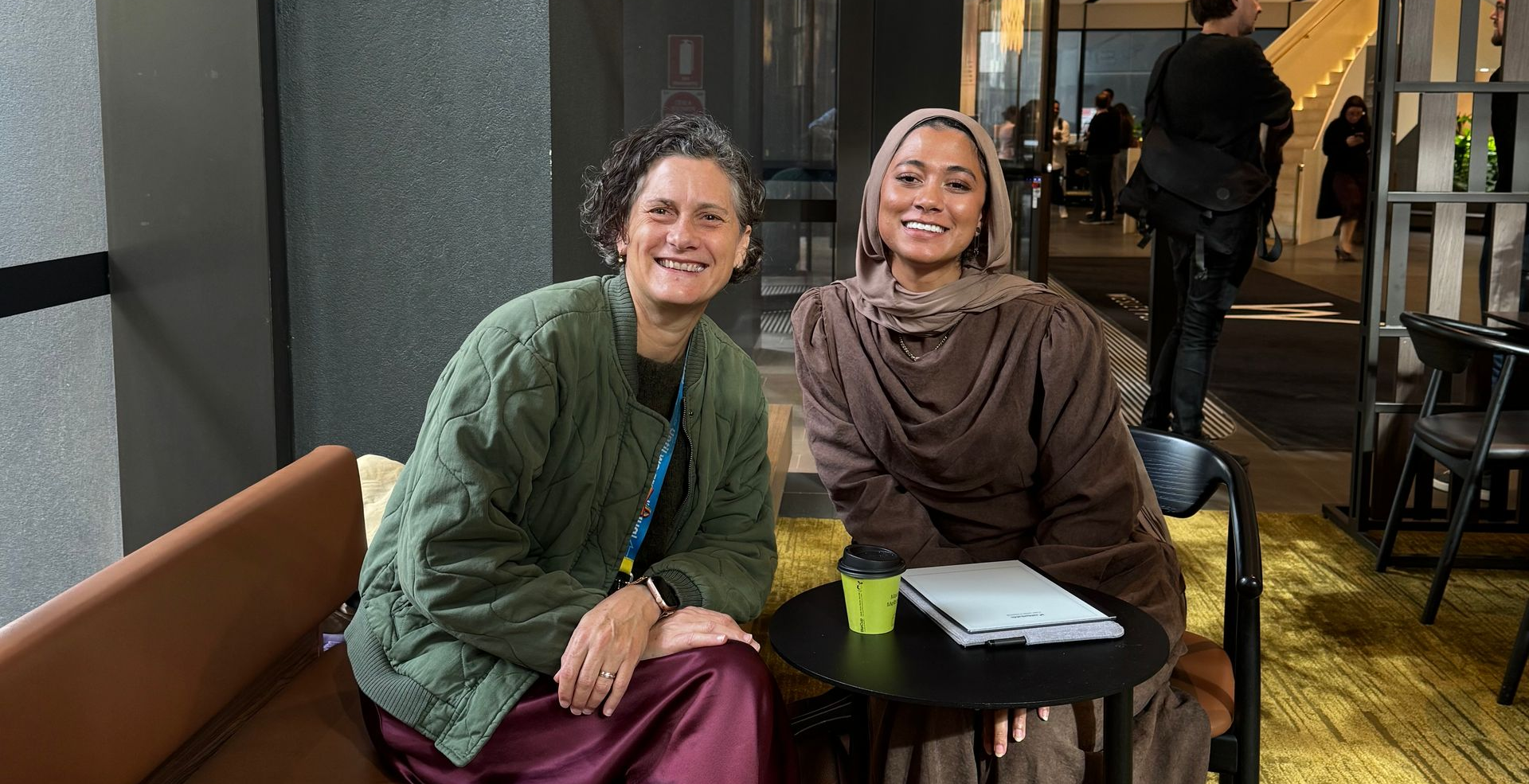
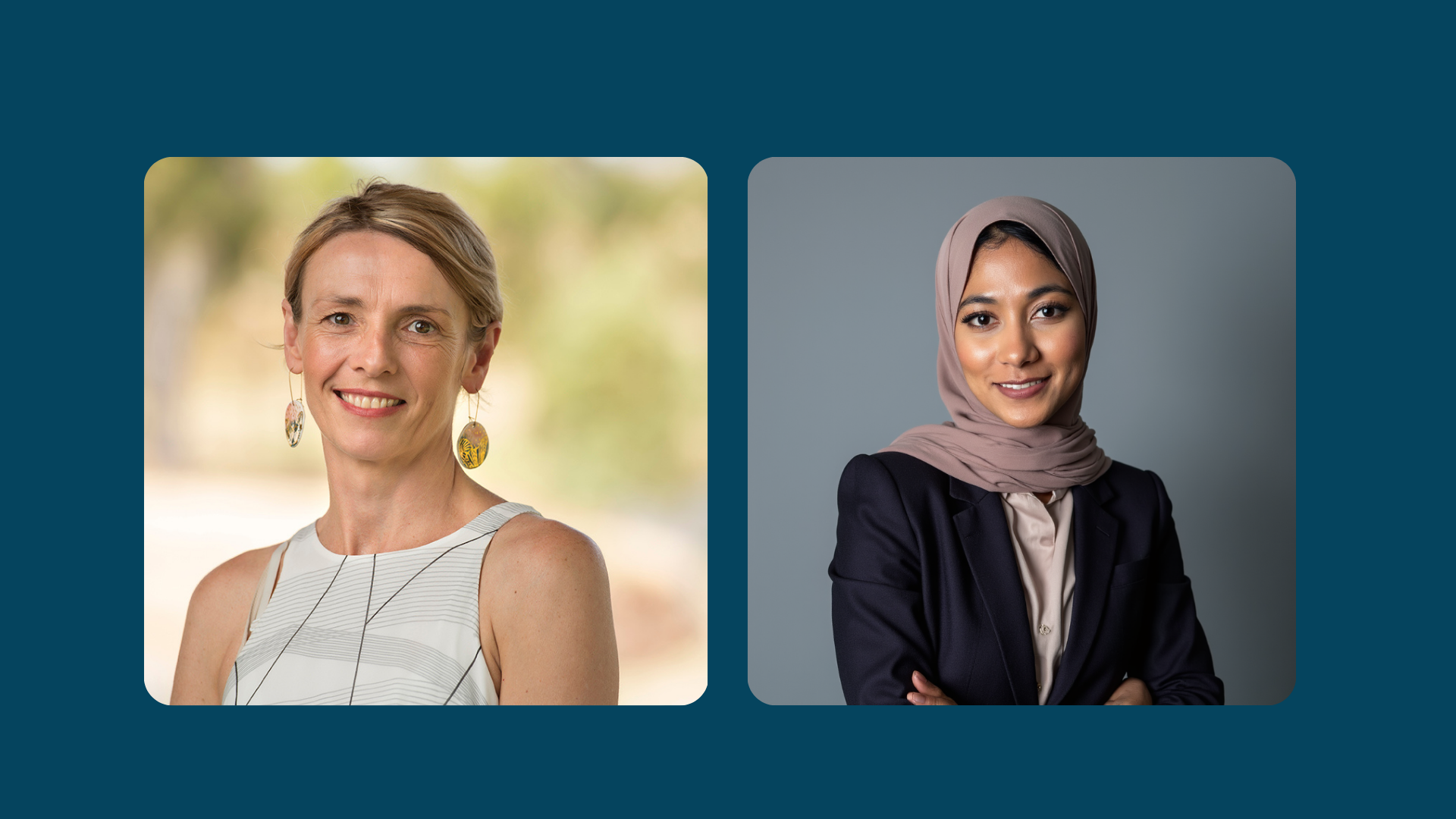
Susanne Legena with Alma Raheem
Leadership Is More Visible Than You Think
When I asked Susanne what people tend to underestimate about the CEO role, she spoke about how visible leadership really is, whether you intend it or not. In fact, her exact words were:
“You can be very powerful without meaning to be.”
She reflected that people are constantly taking cues from leaders, not just in the obvious moments like all-staff meetings or board presentations, but in everyday interactions. How you respond under pressure, how you deal with uncertainty, how you engage with people in small moments: all of these things are noticed, and they shape how others experience you as a leader.
As leaders become more senior, it’s less about what they know and more about how they show up day to day. Susanne spoke quite openly about her early experience as a CEO, where she felt the need to do everything. Over time, what made the biggest difference wasn’t pushing harder, but becoming more deliberate. Slowing things down, looking after herself properly, and being more thoughtful in how she responded, particularly in high-pressure situations.
For me, it was a reminder that wellbeing isn’t something separate from leadership and it’s actually part of doing the role well.
Questions to consider
- How do you tend to respond when you’re under pressure?
- What might your team be picking up from your behaviour, even in small moments?
- Are you putting as much focus on your own wellbeing as you are on your professional development?
The Best Leaders Are Comfortable With Uncertainty
Another theme that came through clearly in our conversation was adaptability.
The for-purpose sector is operating in an increasingly complex environment. Funding models are evolving, expectations are shifting, and technology is continuing to reshape how organisations work. In that context, it’s no longer realistic to wait until you have all the information before making a decision.
What I found particularly interesting was how Susanne approaches those moments of uncertainty. Rather than automatically speeding things up, she often does the opposite and deliberately slows down.
She talked about creating space before making significant decisions and asking herself whether something really needs to be decided immediately, or whether it would benefit from more time, more input, or simply a pause to think it through properly. It sounds simple, but it’s also something that can be quite difficult to practise, especially in environments where everything can feel urgent.
She also spoke about focusing on momentum rather than perfection, recognising that leaders are rarely operating with full certainty. Instead, they are helping people continue moving forward, even when the path isn’t completely clear.
We also touched on AI and what it might mean for the sector. What resonated was her view that it should enhance human capability rather than replace it, which feels particularly important in organisations that are built around people, relationships and community impact.
Questions to consider
- Are there decisions you’re pushing through quickly that might benefit from a bit more space?
- How comfortable are you operating without having all the answers?
- Where could technology support your team without losing the human side of the work?
Self-Awareness Is the Leadership Advantage Nobody Talks About Enough
When I asked what really differentiates someone who is ready for executive leadership, Susanne didn’t hesitate.
She said it comes down to self-awareness.
More specifically, she spoke about the importance of being willing to actively seek feedback, to genuinely hear it, and then to do something with it.
She shared a question she often asks leaders:
“Tell me about a time you got it wrong. What did you learn and what would you do differently now?”
I really liked this because it reveals far more than a list of achievements ever could. In fact, it is one of my favourite interview questions to include when I am interviewing a candidate.
In my experience as well, the strongest leaders aren’t the ones who feel they have everything figured out. They’re the ones who stay open, who are curious about themselves, and who are willing to keep learning over time.
Another part of the conversation that I enjoyed was her perspective on feedback. She spoke about the importance of it being delivered thoughtfully, in a timely way, and with genuine care for someone’s development. The intention shouldn’t be criticism, but helping someone improve.
That distinction feels especially important in a sector that places such a strong focus on people and culture.
Questions to consider
- Who are the people in your life who give you honest feedback?
- What’s a piece of feedback you’ve received recently that made you think differently?
- How do you tend to respond when someone points out something you might not see yourself?
Before You Become a CEO, Know Your Why
I finished by asking Susanne what advice she would give to someone aspiring to become a CEO.
Her answer was simple: “Know your why, write it down, keep it somewhere visible, and come back to it often.”
Susanne spoke honestly about the reality of the role. While CEO positions can be incredibly rewarding, they’re also demanding, and at times can feel quite isolating. There’s a side of leadership that people don’t always see, including the difficult conversations, competing priorities, and the weight that comes with making decisions that affect others.
Having a clear sense of purpose gives you something steady to come back to in those moments.
She also emphasised the importance of having the right support structures around you. Mentors, coaches, trusted peers, supportive board members, as well as family and friends all play an important role, and it’s much easier if those relationships are already in place before you need to rely on them.
One resource she mentioned was The First 90 Days by Michael Watkins. While it’s often positioned as a guide for transitions, she spoke about how valuable the questions in the book are more broadly, which is why she now regularly shares it with leaders stepping into executive roles.
Questions to consider
- Why do you want to lead, really?
- Who do you have around you that you can rely on?
- What do you need to put in place now before stepping into your next leadership role?
Final reflections
What struck me most from the conversation was that it reinforced something I see quite often in my work, which is that as leaders grow, their impact becomes less about their expertise and more about how they show up, particularly when things are challenging or uncertain.
Susanne’s perspective was a helpful reminder that investing in yourself isn’t separate from leadership and is fundamental to it.
A genuine thank you to Susanne for her openness and generosity in sharing her experience.
Alma Raheem, Associate Partner, Executive Search
share this
Related Articles