

Article
The Leadership Series: Matthew Mackay, CEO of Royal Rehab Group
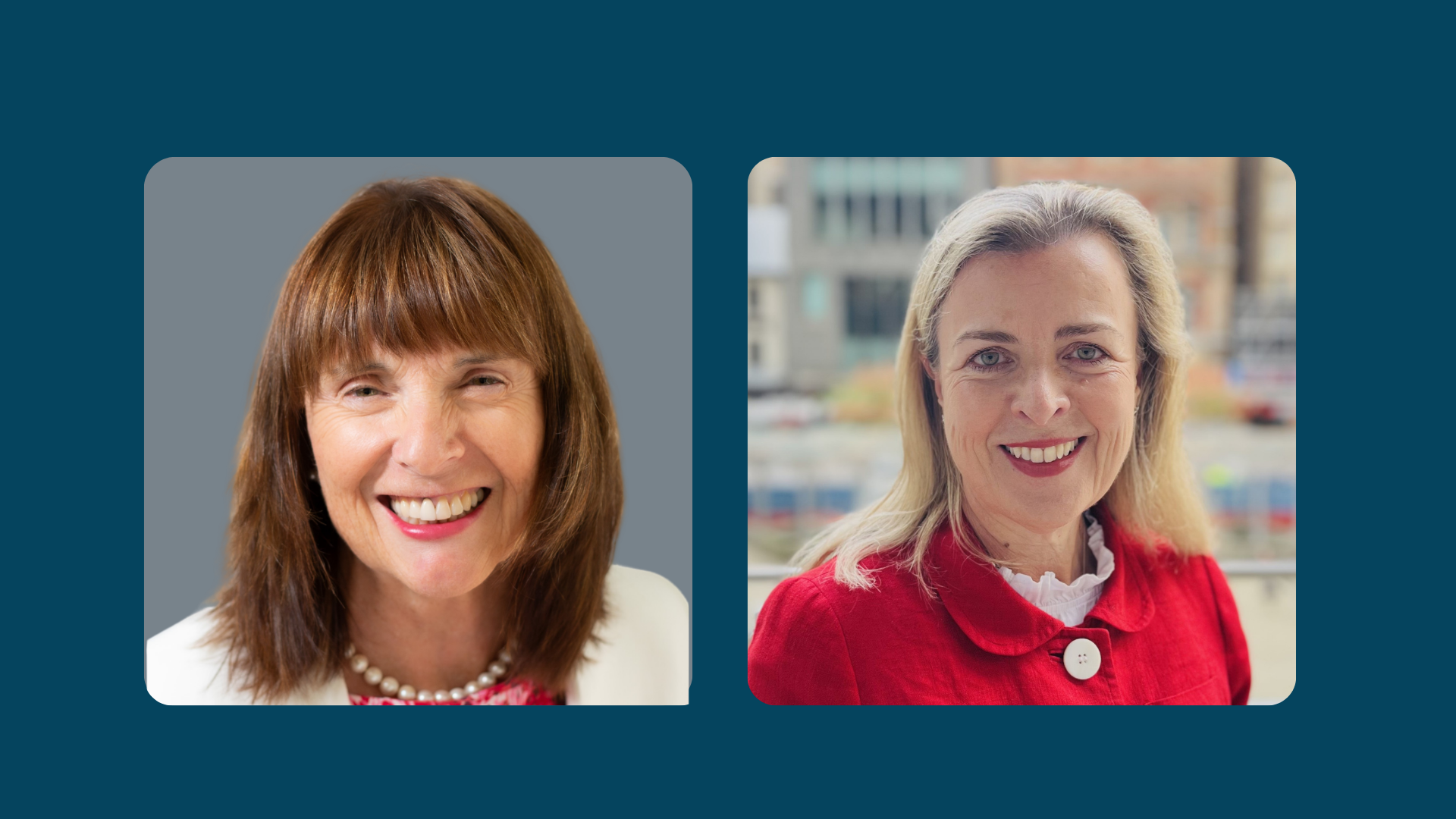
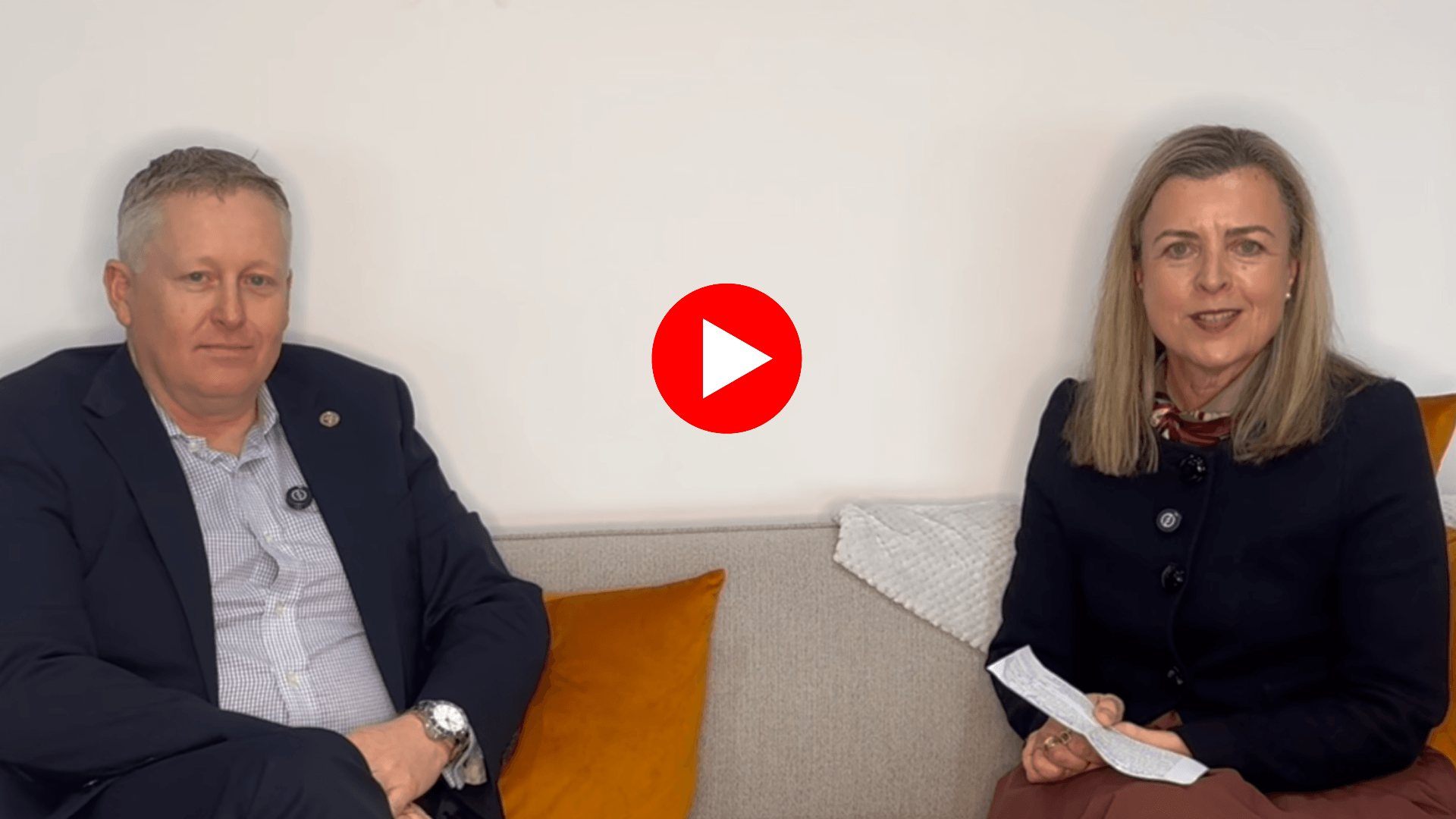
Matthew Mackay, CEO of Royal Rehab Group interviewed by Liska Turner, partner, Executive Search
The Leadership Series
At Beaumont Executive, we know that appointing an outstanding leader is only the beginning. True success lies in how well they integrate into the organisation, thrive and deliver long-term impact. That is why we created The Leadership Series, contributing to the for-purpose leadership conversation by sharing insights from exceptional leaders. Hosted by our Executive Search Partner, Liska Turner, the series features interviews with inspiring leaders who are shaping impact-driven organisations.
Liska Turner with Matthew Mackay, CEO of Royal Rehab Group
Matthew Mackay has spent more than three decades leading across healthcare, government, military, corporate and not-for-profit environments. A registered nurse by background, he has served as an officer in the Australian Army, held executive roles in listed healthcare companies and now leads Royal Rehab Group, one of Australia's largest providers of rehabilitation and disability services.
Across these diverse settings, Matt has developed a leadership philosophy grounded in people, adaptability and purpose. In this conversation for The Leadership Series, he reflects on the leadership lessons learned from the military, the realities of leading through complexity, the importance of staying connected to frontline teams and why purpose remains his greatest source of motivation.
Watch the full interview here or read the article below to discover Matt's perspectives on leadership, from navigating uncertainty and leading through change to staying connected to people and purpose.
Leadership starts and ends with people
Despite working across vastly different sectors and organisational structures, Matt sees a common thread running through his career.
For him, leadership has always been about people.
Beginning his career as a registered nurse in the early 1990s, he quickly recognised that organisations succeed through the individuals who work within them. Whether in healthcare, the military or the disability services sector, leadership starts with supporting people to do their best work.
At Royal Rehab Group, this means creating an environment where employees feel supported to provide the highest quality care and service to the communities they serve.
Matt believes that while employees may have many employment options, they remain driven by a shared desire to make a meaningful difference in people's lives. The role of leadership is to create the conditions that allow them to achieve that purpose.
Lessons from military leadership
Matt's leadership journey took a unique path through the Australian Army, where he first served as an infantry soldier before later becoming an officer.
While military leadership is sometimes perceived as highly directive, Matt challenges that assumption.
Instead, he describes military leadership as being built on many of the same foundations as effective organisational leadership: developing people, making decisions in uncertain environments and maintaining a clear purpose.
One of the most valuable lessons he carried from the military is the ability to operate comfortably in ambiguity.
Leaders rarely have perfect information. Situations change rapidly, priorities shift and decisions often need to be made before every variable is known.
Matt credits his military experience with helping him become comfortable navigating uncertainty while maintaining strategic awareness.
He describes the importance of taking a "helicopter view" of an organisation, understanding how different elements connect and bringing them together to achieve a shared objective.
In today's rapidly changing operating environment, he believes this ability has become increasingly important for leaders across every sector.
The personal demands of leadership
While leadership is often discussed in terms of strategy, growth and organisational performance, Matt is equally conscious of its personal demands.
He acknowledges that leadership can be isolating.
For CEOs in particular, there is rarely a clear boundary between being "on" and "off". Even when away from work, many leaders remain connected to decisions, responsibilities and emerging issues.
Over the course of his career, Matt has seen first-hand the importance of maintaining balance.
His military service, frequent travel and senior executive positions have all required significant personal sacrifices at different times.
These experiences reinforced a lesson he believes many leaders learn the hard way: if you do not actively create balance, it can quickly disappear.
Today, he places greater emphasis on being present with his family and intentionally making time for the relationships and commitments that matter outside of work.
For Matt, sustainable leadership requires looking after yourself as carefully as you look after the organisation.
Preserving identity while building a unified organisation
Since joining Royal Rehab Group, Matt has overseen a period of significant growth, including mergers and the integration of several organisations and brands.
Rather than adopting a traditional single-brand approach, Royal Rehab Group has embraced a house of brands strategy, maintaining well-established identities such as Breakthru and Spinal Cord Injuries Australia.
The decision was driven by extensive consultation and research.
Matt explains that many of these brands had built strong recognition and trust within the communities they served. Removing those identities risked losing valuable relationships with clients, staff and stakeholders.
Maintaining those brands has also helped preserve the unique cultures and histories that exist within each organisation while still allowing them to benefit from being part of a larger group.
For leaders navigating similar periods of growth, Matt believes successful integration requires honesty, transparency and a clear explanation of why change is occurring.
People are more likely to embrace change when they understand both the reasons behind it and the value it will create.
Culture requires presence
When asked how leaders create a shared culture across multiple organisations and locations, Matt's answer is straightforward.
Presence matters.
While culture can be shaped through strategy, values and communication, he believes it is ultimately built through personal connection.
For a national organisation, this means leaders making the effort to spend time with employees, understanding local communities and listening to the challenges teams face.
Matt is deliberate about visiting sites across the country, recognising that meaningful conversations cannot always happen from head office.
He believes leaders need to see the reality of frontline service delivery, understand the needs of local communities and demonstrate through their actions what the organisation stands for.
Culture, he argues, is not something leaders can outsource.
It must be actively modelled and reinforced through visible leadership.
Technology as an enabler, not a replacement
Like many organisations, Royal Rehab Group is exploring the opportunities and challenges presented by AI.
Matt is optimistic about its potential but realistic about its limitations.
He sees the greatest opportunity in improving back-office efficiency, streamlining reporting, administration and operational processes so that more resources can be directed toward frontline services.
For organisations built on human relationships, however, he believes technology should support rather than replace personal interaction.
Healthcare, rehabilitation and disability services all depend on trust, empathy and conversation.
People seeking support often need reassurance, guidance and understanding that technology alone cannot provide.
For Matt, the goal is not to remove the human element from service delivery but to strengthen it by using technology more effectively behind the scenes.
Developing leaders who can navigate complexity
Leading a national organisation requires leaders who can make decisions in complex and constantly evolving environments.
Matt believes the strongest leaders share several common characteristics.
They spend time with their teams.
They listen.
They remain committed to learning.
And importantly, they understand that leadership is a continuous journey rather than a destination.
At Royal Rehab Group, leadership development focuses on helping leaders grow while recognising that mistakes are part of the process.
Matt encourages leaders to learn from setbacks rather than avoid risk altogether.
No leader is infallible.
What matters is the willingness to reflect, adapt and continue improving.
Returning to purpose
One of the most significant leadership decisions in Matt's career was accepting the CEO role at Royal Rehab Group.
After years in highly commercial healthcare environments, he initially questioned whether the role was the right fit.
The answer emerged when he reflected on what had drawn him into healthcare in the first place.
Making a difference.
Leading Royal Rehab Group provided an opportunity to improve outcomes not only for clients, but also for the thousands of employees delivering care and support every day.
Nine years later, that sense of purpose remains central to his leadership.
Matt describes spending time with staff, clients and communities as a constant reminder of why the work matters.
It reconnects him to the organisation's mission and provides the motivation to navigate the challenges that come with leadership.
For him, purpose is not simply a statement or aspiration.
It is what sustains leaders through complexity, change and responsibility.
Leadership in three ideas
For Matt, three themes stand out:
People, because organisations succeed through the individuals who bring their purpose to life.
Adaptability, because effective leaders must be comfortable making decisions amid uncertainty and change.
Purpose, because staying connected to the impact of the work provides the motivation to keep moving forward.
Together, they reflect a leadership approach grounded in service, resilience and a deep commitment to making a difference.
share this
Related Articles