

Article
The Leadership Series: Jennifer Tierney, CEO of Oxfam Australia
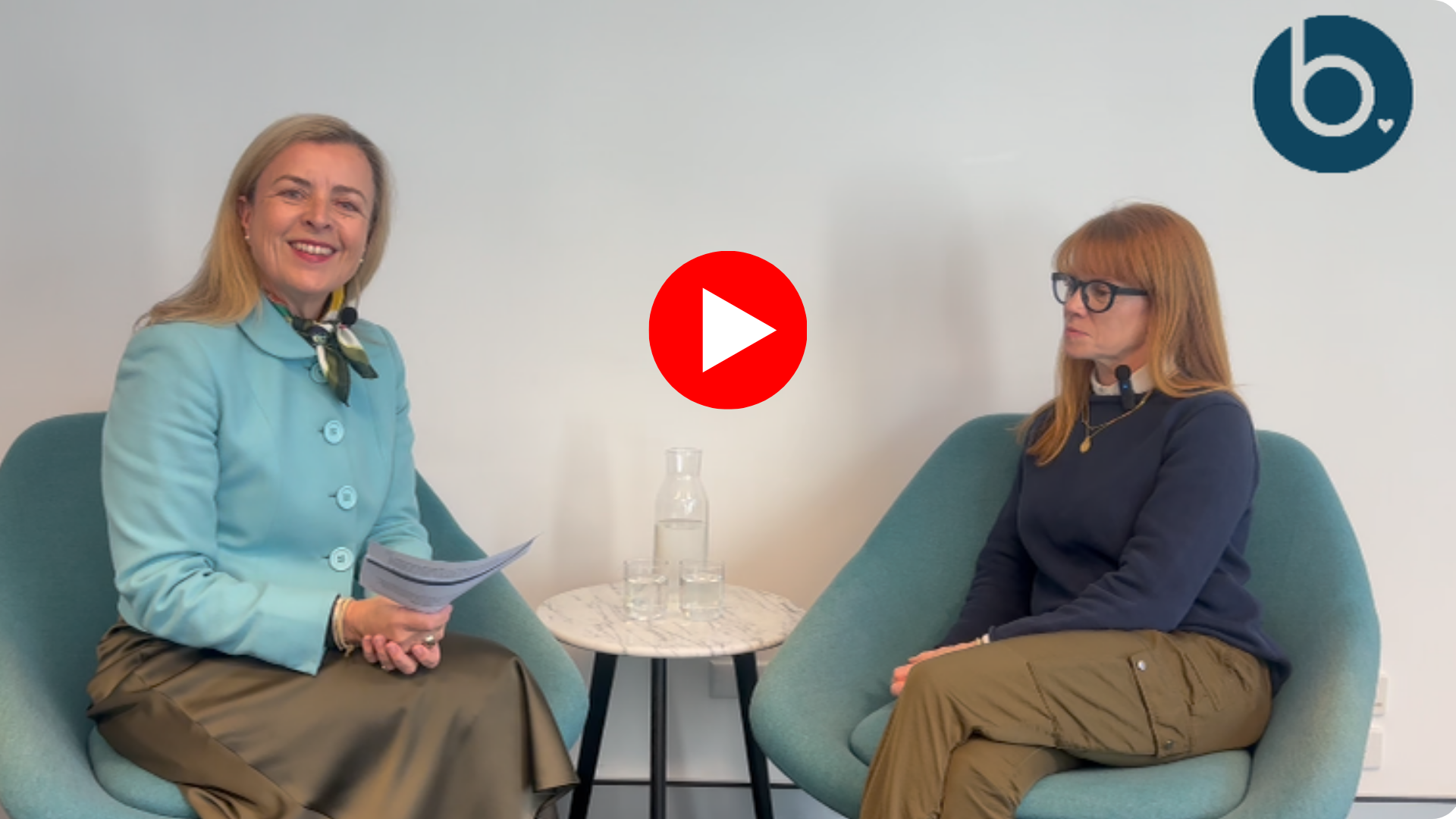
Jennifer Tierney, CEO of Oxfam Australia interviewed by Liska Turner, partner, Executive Search
The Leadership Series
At Beaumont Executive, we know that appointing an outstanding leader is only the beginning. True success lies in how well they integrate into the organisation, thrive, and deliver long-term impact. That's why we created The Leadership Series; contributing to the for-purpose leadership conversation by sharing insights from exceptional leaders. Hosted by our Executive Search Partner, Liska Turner, this series features interviews with inspiring leaders who are shaping impact-driven organisations.
Liska Turner with Jennifer Tierney, CEO of Oxfam Australia
After more than two decades working across social justice, international development and humanitarian response, Jennifer Tierney has built a career leading through some of the world's most complex and challenging situations. Now CEO of Oxfam Australia, Jennifer has previously held senior leadership roles with Médecins Sans Frontières Australia and New Zealand, UNICEF Australia, AB Data and MSF USA.
From responding to major humanitarian crises to leading global teams through uncertainty, her experiences have shaped a leadership philosophy grounded in compassion, perspective and collective action.
In this recent conversation for The Leadership Series, Jennifer shares the experiences that have influenced her the most, the realities of leading through ambiguity, and the lessons she believes all leaders can apply, regardless of sector.
Watch the full interview here or read the article below to discover Jennifer's perspectives on leadership, resilience and navigating change.
Leading through uncertainty: A lesson that lasted
When reflecting on the experiences that have most influenced her leadership, Jennifer points to the 2010 Haiti earthquake.
At the time, she was working with MSF and remembers learning that contact had been lost with colleagues on the ground following the devastating disaster.
It was her first real experience of crisis leadership.
While the situation was urgent and emotionally charged, one lesson from those early days has stayed with her ever since.
Take a breath.
"It can feel instinctive to rush straight into solutions," Jennifer says. "But no matter how serious the situation, stopping for a moment to bring the right people together will serve you better in the long run."
Whether responding to a humanitarian emergency, managing organisational change or navigating a data breach, she believes leaders must first create space to assess the situation, understand the risks, identify stakeholders and acknowledge what they do not yet know.
"Five brains are better than one in a crisis."
Having worked in environments defined by uncertainty, Jennifer has become familiar with what she calls a high "ambiguity tolerance".
For many leaders, ambiguity can create anxiety. Yet Jennifer believes one of a leader's most important responsibilities is helping teams remain grounded when answers are not immediately available.
Rather than trying to eliminate uncertainty, effective leaders acknowledge it.
"We don't always know how things will unfold," she explains. "The question becomes: what do we know, what can we act on, and how do we move forward together?"
Regular check-ins, open communication and a sense of shared responsibility all play an important role. When people feel supported and know they are not carrying challenges alone, uncertainty becomes more manageable.
The importance of listening in leadership
Moving into a new leadership role brings its own challenges, particularly when joining organisations with strong cultures, established identities and passionate stakeholders.
For Jennifer, success begins with understanding where you can immediately add value and where you need to spend more time listening and learning.
When she left MSF, she sought honest feedback from colleagues across the organisation, not just her executive peers. "It was effectively a reverse exit interview," she says.
She asked a simple question: What should I do more of and less of to be successful?
The feedback reinforced a number of strengths, including her values-led approach, compassion and strong work ethic. However, it also highlighted an area for growth.
"Slow down and listen."
Jennifer acknowledges that her natural pace can sometimes lead her to move quickly towards decisions. The experience reinforced the importance of creating space for others to contribute their ideas.
In many ways, the lesson echoes her approach to crisis leadership: pause, listen and bring people with you.
Maintaining perspective
Having worked in countries including Haiti, South Sudan, Bangladesh and Nigeria, Jennifer says those experiences continue to shape her perspective as a CEO.
Witnessing communities facing conflict, displacement, poverty and humanitarian emergencies has reminded her never to lose sight of the broader context in which many people live and work.
"Living in Australia, we are incredibly fortunate," she reflects.
For leaders within international organisations, this perspective creates a responsibility to support colleagues working on the frontline of humanitarian challenges.
Whether managing conflict, navigating insecurity or supporting their own families through hardship, field teams often carry a weight that is difficult to fully comprehend from afar.
Jennifer believes leaders must see themselves as an extension of those teams and provide the resources, advocacy and support they need to succeed.
Preventing burnout in purpose driven organisations
One of the greatest challenges Jennifer sees across the sector is sustaining people through prolonged periods of crisis.
When humanitarian emergencies continue for months or years, employees can experience significant emotional strain, particularly when they are deeply invested in the outcomes.
Taking breaks, sharing workloads, accessing support services and modelling healthy behaviours as a leader all contribute to long-term sustainability.
The goal is not simply to help people cope today, but to ensure they can continue contributing over the long term.
Local voices, local solutions
Jennifer is also a strong advocate for localisation, the idea that decision-making should sit as close as possible to the communities affected by challenges.
Rather than imposing solutions from afar, international organisations should work alongside local partners who understand the context best.
She points to Oxfam's work with Rohingya communities in Cox's Bazar, Bangladesh, where a local organisation developed innovative vertical gardening solutions to help families grow food in crowded refugee camps.
The idea came not from an international organisation, but from local expertise.
"Our role is to provide support and partnership," Jennifer explains. "The innovation often comes from the communities themselves."
What gives her hope?
Despite the scale of the challenges facing the world today, Jennifer remains optimistic.
The source of that optimism is people.
She speaks with admiration about colleagues dedicated to creating positive change, often under difficult circumstances.
She is equally encouraged by the growing strength of social movements around the world, particularly those advocating for greater equity, climate action and social justice.
While she acknowledges ongoing challenges, including the concentration of power and inequality, she believes meaningful change remains possible because of the individuals and communities committed to making a difference.
Leadership in one sentence
Asked about the leadership habit she never sacrifices, Jennifer's answer is immediate: Exercise.
A reminder that even in demanding leadership roles, maintaining personal wellbeing remains essential.
And perhaps that neatly captures one of the strongest messages from her leadership journey: the best leaders are not those who rush hardest or carry the greatest burden alone. They are the ones who pause, listen, lean on others and create the conditions for people to thrive, even in the most challenging circumstances.
share this
Related Articles